Nuestro propósito es contribuir a un futuro saludable y sostenible para nuestros colaboradores, comunidades, clientes y consumidores. El mañana es nuestro foco, queremos promover bienestar en las personas, como también en las empresas y clientes que confían en nuestra pasión y buscan desarrollar productos de calidad junto con nosotros.
Sé parte del equipo
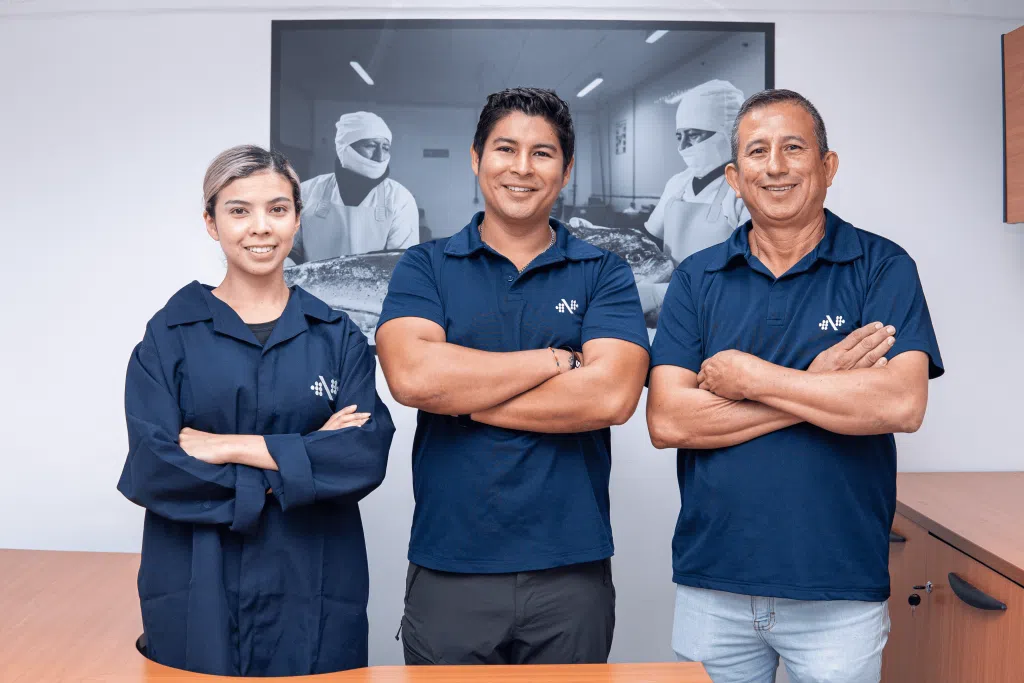
Buscamos gente enfocada a obtener resultados. Gente honesta y responsable. Queremos conocerte, déjanos tu hoja de vida y acompáñanos a estar presentes en todos los hogares del Ecuador y el mundo.
Sostenibilidad
Creemos que la sustentabilidad del negocio es esencial para continuar trabajando a futuro, es por eso que operar de manera sustentable es indispensable para la industria. Bajo esta filosofía, conducimos nuestras actividades de sustentabilidad para cuidar el medio ambiente, generar ingresos económicos y contribuir al desarrollo de la sociedad.
Línea Ética y Código de Conducta
Te hacemos un llamado para velar por el compromiso de la empresa por mantener a los más altos niveles éticos en el desempeño de quienes lo integramos. Infórmanos acerca de cualquier falta a nuestros Códigos de Conducta de NIRSA y PROPOSORJA.
Somos fabricantes de Alimentos Real, reconocida marca de congelados, enlatados y otros productos de alta calidad, que por más de sesenta años han ocupado un lugar privilegiado en mercados internacionales y en la mesa de los ecuatorianos.
Buscamos gente enfocada a obtener resultados. Gente honesta y responsable. Queremos conocerte, déjanos tu hoja de vida y acompáñanos a estar presentes en todos los hogares del Ecuador y el mundo.
NIRSA está comprometida con el desarrollo sostenible a través de cada una de las acciones que la empresa ejecuta con el objetivo de beneficiar a los ecuatorianos, buscando una sociedad más justa y más transparente.
Te hacemos un llamado para velar por el compromiso de la empresa por mantener a los más altos niveles éticos en el desempeño de quienes lo integramos. Infórmanos acerca de cualquier falta a nuestros Códigos de Conducta de NIRSA y PROPOSORJA.
LAS COMPAÑIAS NIRSA.S.A. Y
PROCESADORA POSORJA PROPOSORJA.S.A.
Comunicamos a los excolaboradores que hayan laborado bajo relación de dependencia en el periodo comprendido entre el 01 de enero y el 31 de diciembre del 2025, que a partir del 15 de abril del 2026 deberán acercarse a las ventanillas de pagos a terceros del Banco de Guayaquil a nivel nacional, portando su cédula de ciudadanía original para cobrar los valores correspondientes por concepto de utilidades.
Usamos cookies para mejorar tu experiencia y garantizar que nuestro sitio web funcione correctamente. Si estás de acuerdo, puedes aceptar el uso de cookies.
NIRSA achieves the highest sustainability certification, Marine Stewardship Council (MSC-C-56655), for yellowfin tuna and its chain of custody.
ISO 26000
Committed to the sustainability of the business, the company incorporates a set of guidelines to apply best practices in terms of Corporate Social Responsibility.
PORTAFOLIO UPDATE
The Real brand portfolio is refined, seeking innovation through new quality products to offer to the Ecuadorian market.
REDESIGN OF CORPORATE IDENTITY
The new corporate logo forms the letter «N». Its vertical column demonstrates the strength of its institutional and commercial structure. The circles identify its future expansion in its sea products and agricultural products.
FISHERY IMPROVEMENT PROJECT (FIP)
(NIRSA Fisheries Improvement Program) NIRSA is part of the FIP Tunacons project with the aim of obtaining MSC (Marine Stewardship Council) certification, which focuses on sustainable fishing practices.
COMMITMENT ISSF
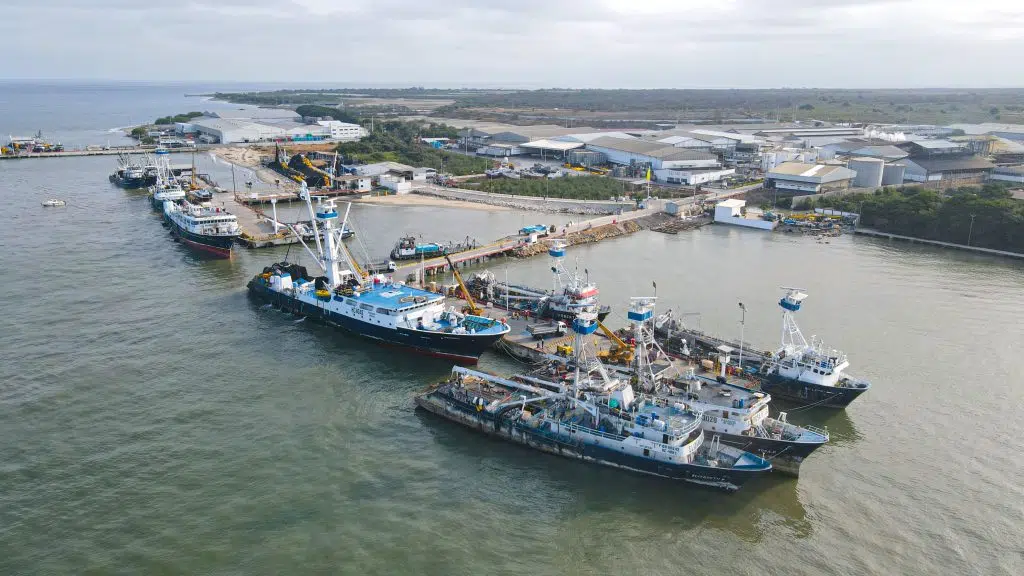
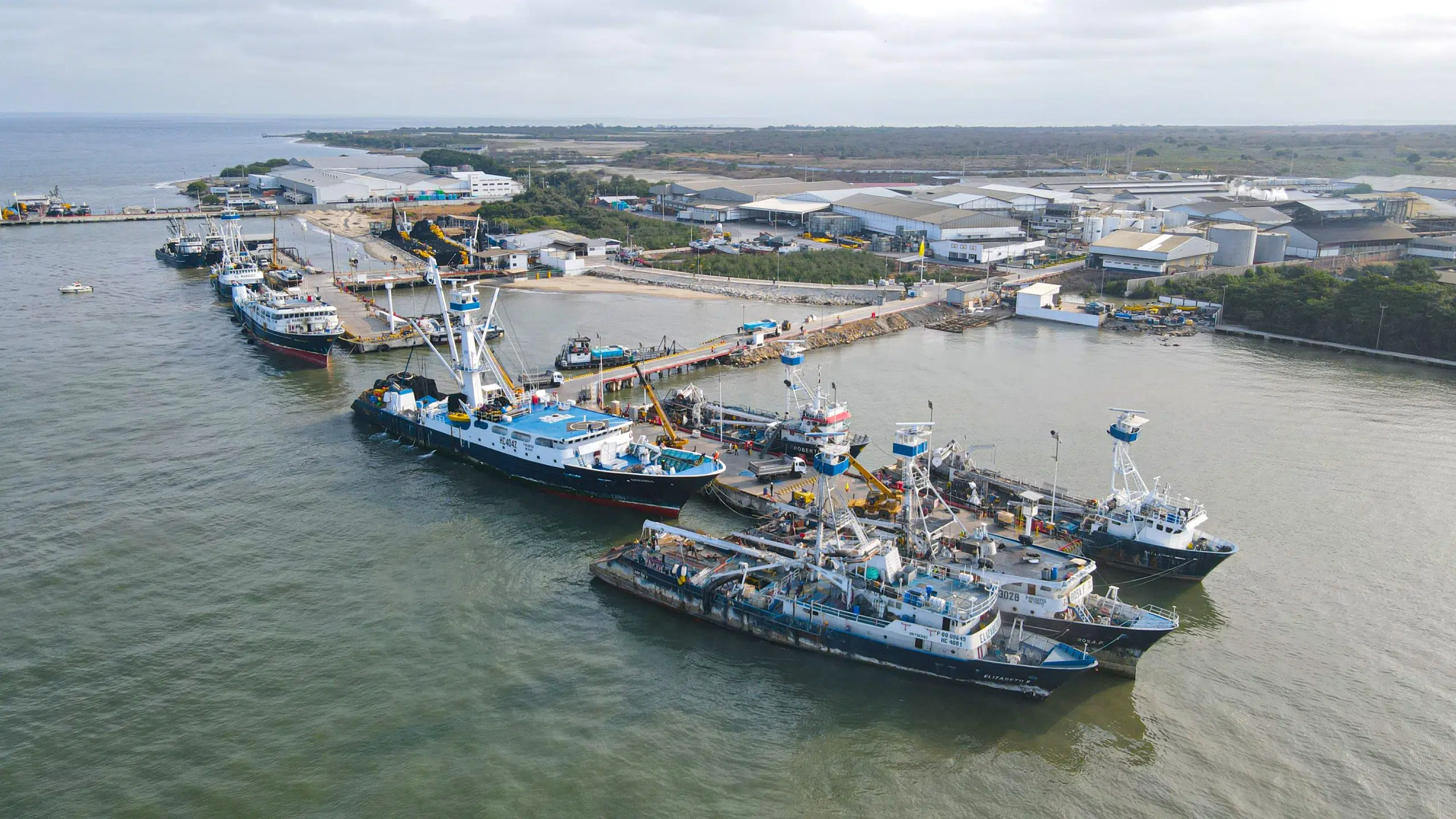
The ISSF (International Seafood Sustainability Foundation) is one of the most prestigious foundations in the field of sustainability and conservation of marine resources. Through the Proactive Vessel Registration (PVR), it promotes transparency in the fishing activity of fishing fleets. All NIRSA tuna vessels are registered and comply with all established conservation measures.
AWARD FOR REAL
The NIRSA brand, Real, receives the Marketing Hall of Fame award for standing out within the national market.
TUNNA PLANT
The company launches its new tuna processing plant.
PACKING PLANT
Shrimp processing in pools begins. Two years later, NIRSA installs its own shrimp packaging plant.
NEW PLANT
A new canned sardine production plant is being built in Posorja.
FISHMEAL
They start processing fishmeal and fish oil at the new facilities in Posorja.
CANNED TUNA
NIRSA diversifies its production in Guayaquil by processing canned tuna.
FIRST PLANT
Julio Aguirre Iglesias builds the first production plant to process canned sardines.
EJERCICIO DE DERECHOS DE LOS TITULARES
El ejercicio de los derechos previstos en la Ley Orgánica de Protección de Datos Personales se canalizará a través del responsable del tratamiento, Autoridad de Protección de Datos Personales, y de acuerdo con la normativa aplicable.
La Ley Orgánica de Protección de Datos Personales, prevé el derecho a la protección de datos personales reconocido como el derecho a la autodeterminación informativa, es decir, la libertad que tiene cada individuo para decidir respecto del tratamiento de sus datos; la libertad a decidir qué datos son comunicados a terceros, así como el derecho a evitar que sean utilizados con una finalidad distinta para la cual fueron recabados, garantizando los derechos y libertades individuales.
En relación a lo expuesto NIRSA S.A. pone a su disposición esta herramienta para garantizar el cumplimiento de sus derechos de acuerdo con la Ley, en donde se deberán incluir los siguientes datos: nombre del titular, número de contacto, correo electrónico u otro medio para recibir respuesta; documentos que acrediten su identidad o la representación legal, descripción clara y precisa de los datos respecto de los que busca ejercer sus derechos y otros elementos o documentos que faciliten la localización de los datos.
Este formulario y anexos deberá remitirse al medio de contacto de ejercicio de derechos de datos personales contemplado por la compañía, siendo el siguiente: privacidaddt@nirsa.com
Nirsa alcanza la certificación más alta en materia de sostenibilidad, Marine Stewardship Council (MSC-C-56655), en atún aleta amarilla y su cadena de custodia.
ISO 26000
Comprometidos con la sostenibilidad del negocio, la empresa incorpora el conjunto de guías para aplicar las mejores prácticas en materia de la Responsabilidad Social.
ACTUALIZACIÓN DEL PORTAFOLIO
El portafolio de la marca Real se depura, buscando innovación a través de nuevos productos de calidad para ofrecer al mercado ecuatoriano.
REDISEÑO DE IDENTIDAD CORPORATIVA
El nuevo logo corporativo forma una letra “N”. Su columna vertical demuestra la fuerza de su estructura institucional y comercial. Los círculos identifican su expansión futura en sus productos de mar y productos agrícolas.
FISHERY IMPROVEMENT PROJECT (FIP)
(Programa de mejoramiento pesquero) NIRSA forma parte del proyecto FIP Tunacons con el objetivo de obtener la certifciación MSC (Marine Stewardship Council) que se enfoca en prácticas de pesca sustentable.
COMPROMISO ISSF
La ISSF (International Seafood Sustainability Foundation) es de las más prestigiosas fundaciones en materia de sostenibilidad y conservación de los recursos marinos que fomenta, a través del PVR (Proactive Vessel Registration), la transparencia de la actividad pesquera de las flotas pesqueras. Todos los buques atuneros de NIRSA se encuentran registrados y cumplen con todas las medidas de conservación establecidas.
PREMIO PARA REAL
La marca comercial de NIRSA, Real, recibe el premio del Salón de la Fama de Marketing, por destacarse dentro del mercado nacional.
PLANTA DE ATÚN
La compañía lanza su nueva planta procesadora de atún.
EMPACADORA
Se inicia el procesamiento de camarón en piscinas. Dos años después, NIRSA instala su propia plantaempacadora de camarón.
NUEVA PLANTA
Se construye una nueva planta de producción de sardinas enlatadas en Posorja.
HARINA DE PESCADO
Comienza a procesar harina y aceite de pescado en las nuevas instalaciones en Posorja.
ATÚN ENLATADO
NIRSA diversifica su producción en Guayaquil al procesar atún enlatado.
PRIMERA PLANTA
Julio Aguirre Iglesias construye la primera planta de producción para procesar sardinas en lata.